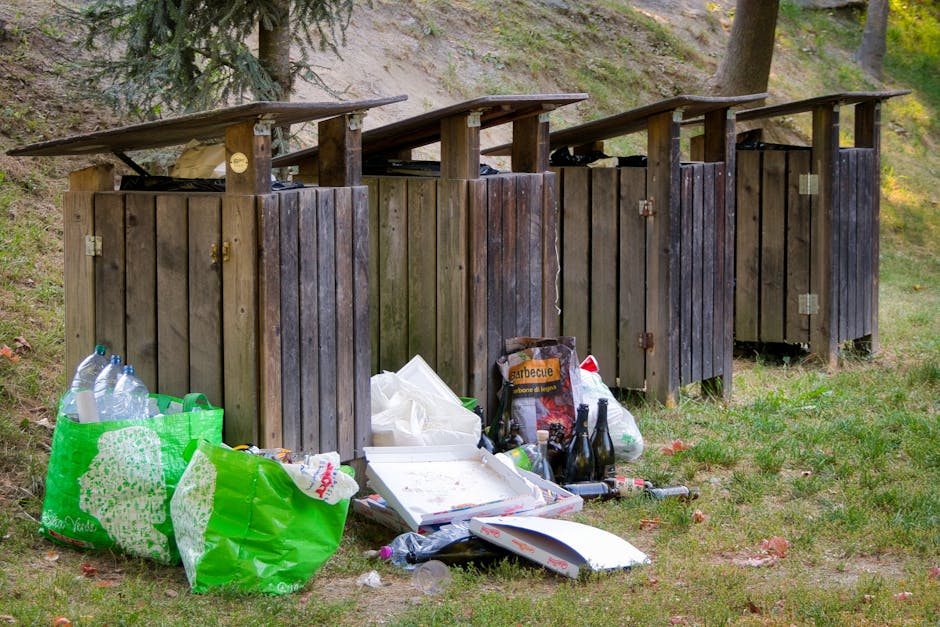
Common problems with access for Chalford rubbish clearances
If you are trying to arrange a rubbish clearance in Chalford, access can be the bit that turns a straightforward job into a slightly awkward one. Narrow lanes, tight drives, shared entrances, steep paths, awkward parking, and weathered steps all make a difference. The good news? Most access problems with Chalford rubbish clearances are manageable once you know what to look for and how to plan ahead.
This guide breaks down the most common access issues, why they matter, how clearances usually work in real life, and what you can do to make the job quicker, safer, and less stressful. If you have ever looked at a pile of waste and thought, "Right, but where will the van actually go?", you are in the right place.
- Why access matters
- How clearance access works
- Benefits of planning access properly
- Who this is for
- Step-by-step guidance
- Expert tips
- Common mistakes to avoid
- Tools and resources
- Compliance and best practice
- Options and comparison
- Real-world example
- Practical checklist
- Conclusion
- Frequently asked questions
Why Common problems with access for Chalford rubbish clearances Matters
Access is not just a small operational detail. It affects timing, safety, cost, and even what kind of clearance method makes sense. In a place like Chalford, where roads can be narrow and properties are not always built with waste collection in mind, access planning can be the difference between a smooth half-hour job and a longer, more complicated visit.
Think about the practicalities. Can a van stop close enough to the waste? Is there enough room to carry bulky items without damaging walls, plants, railings, or flooring? Can two people move a wardrobe from an upstairs room without blocking the whole path? These are the kinds of questions that matter before anyone starts lifting.
Access problems also affect pricing. Not always dramatically, but enough to matter. A clearance team may need extra time, extra labour, smaller vehicles, or a different approach altogether. That does not mean every awkward property costs more, but it does mean clear information upfront helps avoid confusion later. Truth be told, it saves everyone a headache.
There is another side to it too: safety. Poor access increases the risk of slips, trips, strains, and accidental damage. Wet steps, loose gravel, low branches, or uneven ground can all create small hazards that become very real once heavy items start moving. And once the job gets messy, it rarely gets less messy on its own.
Key point: in rubbish clearance, access is not a side issue. It is part of the job design.
How Common problems with access for Chalford rubbish clearances Works
Most clearances follow a simple pattern. A team arrives, assesses the site, checks the distance from waste to vehicle, identifies hazards, then removes items by hand or with simple carrying aids. That sounds simple, and often it is. But access determines the pace and the method.
In Chalford, common access issues usually fall into a few groups:
- Vehicle access: the van may not be able to park right outside the property.
- Pedestrian access: paths, steps, gates, or narrow hallways may limit how items are carried.
- Loading access: items may need to be moved up slopes, around corners, or across shared spaces.
- Time-based access: parking restrictions, neighbours, or delivery traffic can narrow the working window.
- Property constraints: flats, basement rooms, lofts, or older cottages can be especially tricky.
Sometimes the issue is obvious at first glance. A steep driveway or a tight alley tells you plenty straight away. Other times the challenge is hidden. A seemingly easy front door may lead to a long internal carry with low ceilings and several turns. That is why photos are so useful, especially when they show the route from the waste to the collection point.
Where possible, teams will adapt. They might bring a smaller vehicle, use two-person carries, break down bulky items, or schedule the visit for a quieter time of day. If the route is especially tight, the team may ask for a clear description before booking. It is not fussiness. It is planning.
Key Benefits and Practical Advantages
Handling access properly is not only about avoiding problems. It brings real advantages that you will feel on the day, and sometimes even before the van arrives.
- Faster removal: a clear route means less time spent manoeuvring items.
- Lower risk of damage: fewer tight corners and less dragging reduce scuffs and knocks.
- Safer lifting: the crew can carry items more steadily when access is planned.
- Better value: efficient access often means fewer delays and less labour.
- Less disruption: neighbours, family members, and staff are not boxed in all afternoon.
- More accurate quotes: the clearer the access picture, the fewer surprises later.
For homeowners, this can mean a calmer, cleaner experience. For landlords, it can help reduce tenant disruption. For businesses, especially those dealing with office clearance or commercial waste, tidy access planning keeps operations moving. Nobody wants a clearance team standing in a corridor while an office tries to answer phones around them. Not ideal, let's say that.
Expert summary: the best rubbish clearance jobs are rarely the ones with the biggest vehicles or the fastest lifting. They are the ones where access was thought through properly before the first item was moved.
Who This Is For and When It Makes Sense
This topic matters to far more people than you might expect. If any of the situations below sound familiar, access planning is worth taking seriously.
- Homeowners clearing bulky waste: old furniture, garden waste, broken appliances, or general clutter.
- People moving house: when the garage, loft, or spare room needs clearing at short notice.
- Landlords and letting agents: end-of-tenancy clearances often involve awkward access and tight timeframes.
- Businesses: office moves, stockroom clear-outs, and refurbishments often involve limited loading space.
- Older properties: cottages, terraces, converted buildings, and flats often have less forgiving layouts.
- Anyone with mobility concerns: if steps or long carries make moving waste difficult, planning matters even more.
This is also relevant if you are comparing different clearance options. A quick front-garden collection is one thing. A loft filled with boxes, an upstairs bedroom, and no parking nearby is another. Same waste type, very different job.
To be fair, people often only realise the access issue after they start stacking items near the door. That is still fixable. But it is easier to think it through first, before everyone is sweating by the gate at 8:30 on a damp morning.
Step-by-Step Guidance
Here is a practical way to plan for access issues before a Chalford rubbish clearance. Nothing fancy. Just a sensible sequence that prevents most avoidable problems.
- Walk the route from waste to vehicle. Start where the items are stored and check every turn, step, doorway, gate, and slope.
- Measure the awkward points. Not every clearance needs a tape measure, but narrow doorways, low beams, and tight gates are worth checking.
- Look for vehicle restrictions. Consider parking spaces, turning areas, loading bays, height limits, and nearby obstructions.
- Check the surface. Slippery paving, muddy ground, loose stones, or uneven steps can change how items are carried.
- Identify bulky or heavy items early. Sofas, beds, wardrobes, appliances, and desks often need extra planning.
- Take a few clear photos. A photo of the waste pile, the route, and the parking access can tell a team a lot very quickly.
- Share any time restrictions. If access is only available at certain hours, say so upfront.
- Ask what the crew needs from you. Sometimes the answer is simple: unlock a gate, move a car, or clear a hallway.
A good rule of thumb: if you have to twist sideways to get through somewhere, the clearance team probably will too. And they will be carrying a sofa. That is the point where detail suddenly matters.
If access is complicated, do not panic. Complicated does not mean impossible. It simply means the method needs adjusting.
Expert Tips for Better Results
Over time, the same few habits make clearances smoother. These are the ones that tend to help most in the real world.
- Clear the path before the team arrives. Shoes, plant pots, bins, rugs, and bikes all seem harmless until they sit in the way.
- Keep children and pets out of the route. Even friendly dogs can make carrying bulky items awkward.
- Group items sensibly. Put waste in one area if possible, rather than spreading it across several rooms.
- Be honest about the access. If the stairwell is narrow, say so. It is much better to be direct than to hope it will "probably be fine".
- Photograph problem spots in daylight. A gloomy hallway at 7 p.m. tells a different story from a bright morning image.
- Think about weather. In wet conditions, a driveway or path can become slippery very quickly.
One small but useful trick: if you are unsure whether an item will fit through a door, measure the widest part of the item and the narrowest part of the route. It sounds obvious. People still forget it all the time. Happens more than you'd think.
Also, if the clearance includes mixed waste, separate anything delicate, sharp, or recyclable where you can. It makes the load easier to handle and can help the crew work more efficiently. Not every item needs to be in a perfect pile, but a bit of order goes a long way.
Common Mistakes to Avoid
Most access problems are avoidable. The trouble is, the same mistakes crop up again and again. Some are harmless in the planning stage, but they can become expensive once the work starts.
- Assuming a van can always park outside. In small streets or busy lanes, that is not guaranteed.
- Forgetting about rear access. A back gate may look useful, but not if it is too narrow or locked.
- Ignoring the route inside the property. A wide front door does not help if the hallway bends sharply two metres later.
- Not checking stair strength. Old stairs, loose treads, and weak landings are not ideal for heavy lifting.
- Leaving access preparation until the last minute. Moving one car is easy. Moving three cars, less so.
- Underestimating bulky items. A sofa looks manageable until it has to go round a tight corner at chest height.
- Hiding awkward details. If there is a low wall, a steep drop, or a shared corridor, mention it early.
The biggest mistake, though, is probably this: thinking "they'll sort it out on the day." Sometimes they can. But why leave a simple job to luck? Better to make access clear from the start and keep everybody sane.
Small delays are normal. Repeated surprises are not.
Tools, Resources and Recommendations
You do not need much specialist equipment to prepare for a clearance, but a few simple tools and habits help a lot.
| Tool or resource | Why it helps | Best use case |
|---|---|---|
| Measuring tape | Checks doorways, gates, and narrow points | Bulky furniture, appliances, loft items |
| Phone camera | Captures access routes and problem spots | Quoting and pre-planning |
| Bin bags and boxes | Keeps loose items organised | Cluttered homes, garage clearances |
| Work gloves | Helps with grip and minor scratches | Sorting waste before collection |
| Lighting | Improves visibility in dim hallways or outbuildings | Lofts, basements, sheds |
| Access notes | Records gates, codes, parking, and restrictions | Shared buildings, business premises |
For broader planning, pages such as pricing and quotes can help you understand what information a clearance team may need before estimating a job. If your waste includes mixed loads or larger items, it can also help to review services like waste removal, furniture clearance, and home clearance so you can match the job to the right approach.
If the access issue is tied to a bigger project, other useful pages may include garage clearance, loft clearance, flat clearance, and builders waste clearance. These are the kinds of jobs where access details really do change the plan.
Law, Compliance, Standards, or Best Practice
Access planning is not just about convenience. It also connects to safety and responsible waste handling. While the exact legal responsibilities depend on the property, the type of waste, and who is carrying out the work, there are some sensible best practices that apply in most situations.
First, waste should be handled by a suitable, legitimate service that can remove it responsibly and dispose of it properly. If hazardous materials are involved, such as certain chemicals, paints, sharps, or contaminated items, the job may need a different process entirely. That is not the sort of thing to guess at.
Second, good manual handling matters. Carrying heavy or awkward items through narrow access points increases the risk of injury. Clear paths, suitable footwear, and careful lifting technique all help. If you are managing the clearance yourself, be conservative. One bad lift can ruin the day.
Third, shared spaces should be treated with care. In blocks of flats, office buildings, and mixed-use premises, you may need to think about fire exits, communal walkways, and neighbour access. It is often plain common sense, but common sense is surprisingly easy to forget once the schedule gets tight.
Finally, if you are unsure whether a certain item can be removed, or whether access is safe enough for a manual carry, ask before the collection date. A short conversation now can prevent damage, delays, or frustration later. That's the boring answer, but it's the right one.
Options, Methods, or Comparison Table
Different access problems call for different clearance methods. There is no single best option for every Chalford property, because a steep path to a cottage is not the same as a ground-floor office with a loading bay. Here is a simple comparison to help you think it through.
| Method | Best for | Advantages | Limitations |
|---|---|---|---|
| Van-side loading | Properties with close parking | Fast, efficient, usually simple | Not suitable where parking is restricted |
| Hand carry from inside | Homes and flats with manageable internal access | Flexible and versatile | Slower on long routes or stairs |
| Front-to-back route | Homes with access through a rear garden or side gate | Can reduce disruption inside | May be blocked by narrow gates or uneven ground |
| Smaller vehicle approach | Tight roads and limited turning space | Better access to awkward locations | May take more trips or labour |
| Pre-sorted load | Mixed waste with clear item categories | Speeds up handling and loading | Requires preparation beforehand |
In many cases, the right answer is a mix of methods. For example, a team might park further away, carry items by hand through a narrow hallway, then load quickly once they reach the van. That is perfectly normal. A good clearance is often a little bit improvisation, a little bit discipline.
Case Study or Real-World Example
Imagine a small property on one of Chalford's tighter residential roads. The customer has a sofa, a broken chest of drawers, two old mattresses, and a pile of general clutter from a spare room. On paper, it sounds straightforward enough.
Then the details appear. There is no direct parking outside, only a short waiting space a little further down the road. The front path is narrow. The back gate is usable, but the steps are steep and slightly uneven after a bit of rain the night before. Nothing dramatic, just enough to slow things down if nobody plans for it.
What makes the difference here is preparation. The customer sends a few photos, confirms the route, and mentions the steps. The team brings the right carrying approach, allows a bit more time, and avoids trying to force the sofa through the worst doorway angle first. Simple choices, really.
The job still takes patience. There are a couple of awkward turns and one slightly comedic moment where everyone pauses to pivot a mattress like it is a piece of furniture choreography. But the clearance gets done without damage, without stress, and without the "why did we not mention that earlier?" conversation. That, in the end, is what good access planning looks like.
Practical Checklist
Use this checklist before booking or on the day of a Chalford rubbish clearance. It is short, but it catches a lot.
- Check whether a vehicle can park close enough to the property.
- Measure any narrow doors, gates, stairwells, or corridors.
- Confirm whether access is front, side, rear, or through a shared area.
- Look for steps, slopes, loose paving, or slippery ground.
- Identify bulky items that may need extra room or two-person handling.
- Move cars, bins, bicycles, and plant pots out of the route.
- Share photos of the waste and access points if possible.
- Let the team know about codes, locks, or neighbour-sensitive timing.
- Separate hazardous or unusual items from general waste.
- Keep the route clear on the day, especially at pinch points.
Quick reminder: if you are hesitating over a doorway width or parking space, mention it. That one small detail may save the whole appointment from becoming a bit of a muddle.
Conclusion
Common problems with access for Chalford rubbish clearances usually come down to a few practical issues: parking, narrow routes, awkward stairs, weather, and the shape of the property itself. None of these are unusual, and none of them have to derail the job. They just need a bit of honest planning.
The more clearly you describe the access, the smoother the clearance is likely to be. That means less risk of damage, less wasted time, and a better experience all round. Whether you are dealing with a flat, a cottage, a garage, or a larger commercial space, access is the hidden detail that shapes everything else.
So if your property feels a little awkward, do not assume it is a problem. It may simply need the right approach. And once the route is sorted, the rest tends to fall into place.
Get a free quote today and see how much you can save.
Even the trickiest clearance gets easier when the first step is a clear one.
Frequently Asked Questions
What are the most common access problems in rubbish clearances?
The most common issues are limited parking, narrow doorways, stairs, shared entrances, steep paths, and long carrying distances from the waste to the vehicle. In older or tightly built properties, several of these can show up at once.
Can a rubbish clearance still go ahead if the van cannot park outside?
Usually, yes. The team may need to carry items further, use a smaller vehicle, or allow more time. It helps to explain the parking situation before the visit so the plan matches the reality on site.
How do I know if my doorway or gate is too narrow?
Measure the narrowest point and compare it with the widest part of the item being removed. Sofas, wardrobes, and appliances are the usual troublemakers. If in doubt, send photos and measurements before booking.
Do access problems always increase the cost?
Not always, but they can affect the time, labour, or equipment needed. A straightforward job and a tricky carry are not the same thing. Clear information upfront usually leads to a more accurate quote.
What should I tell the clearance team about access?
Tell them about parking, gates, steps, slopes, narrow routes, codes, shared hallways, and any time restrictions. If a car needs moving or a gate is awkward, say so. Small details matter more than people think.
Is it better to send photos or just describe the access?
Photos are often better because they show the layout, surface, and route more clearly than words alone. A short description still helps, but a few photos can prevent guesswork.
What if I live in a flat with shared access?
Shared access is common, especially in flats and converted buildings. The main things are keeping pathways clear, being considerate to neighbours, and confirming whether there are any building rules or access windows that affect the job.
Can awkward access damage my property during clearance?
It can, if the route is cramped or poorly prepared. That is why protecting walls, clearing obstacles, and using careful handling techniques matters. The safer the access route, the lower the chance of scuffs or knocks.
How far in advance should I check access?
Ideally, as soon as you know a clearance might be needed. Even ten minutes of checking can uncover a problem early enough to solve it calmly. Leaving it to the morning of the job is a bit of a gamble.
Do I need to clear the access route myself?
It helps a great deal if you can. Moving bins, bikes, loose rugs, and other obstacles saves time and reduces risk. You do not need to stage a showroom-perfect route, just make the path workable.
What types of clearances are most affected by access issues?
Flat clearances, loft clearances, garage clearances, house clearances, and builders waste clearance often involve more awkward carrying routes. Bulky items and mixed loads tend to make access matters more noticeable.
What if I am not sure whether the access is good enough?
Ask for advice before booking or before the collection date. A quick conversation, a few photos, or simple measurements can usually clarify things. It is always better to ask than to hope for the best and cross your fingers.
For related reading, you may also find useful practical guidance in the broader pages on about us, insurance and safety, and recycling and sustainability, especially if you want the bigger picture behind a well-run clearance.