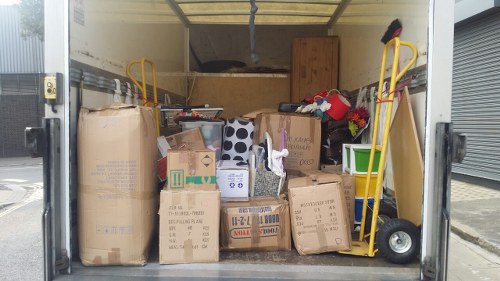
 Commercial Waste Chalfont Saint Giles is committed to creating an eco-friendly waste disposal area that supports local businesses, reduces emissions and maximises material recovery. This page outlines our approach to responsible commercial waste management across Chalfont Saint Giles and the surrounding boroughs, highlights our recycling targets and explains how we work with local transfer stations and charity partners to build a truly sustainable rubbish area.
Recycling and Sustainability for Commercial Waste in Chalfont Saint Giles
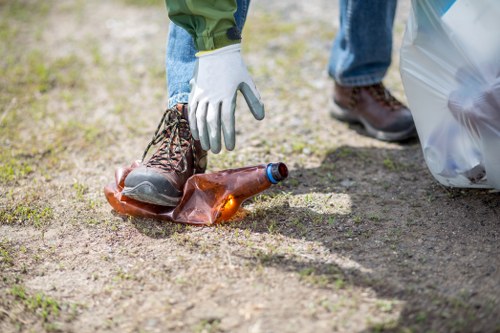 Our strategy balances practical fleet solutions, resource separation and community partnerships so that commercial waste in Chalfont Saint Giles is treated as a resource. We aim for a recycling percentage target of 65% of diverted commercial material by 2030, with interim milestones of 50% by 2026 to track progress transparently and drive continuous improvement.
Our Commitments to an Eco-friendly Waste Disposal Area
We maintain a designated sustainable rubbish area standard for collection sites and client premises: secure containerisation, clear signage for mixed dry recycling, glass, paper, food organics and general residual waste, and frequent training for crews. These measures reflect the boroughs' approach to waste separation — encouraging source segregation and simplified collection streams to improve quality of recyclables.
Key infrastructure and partnerships include:
- Local transfer stations and consolidation hubs supporting shorter journeys and faster processing.
- Charity partnerships for reuse and furniture recovery, ensuring good-condition items are diverted from disposal.
- Low-carbon vans and route optimisation to minimise vehicle emissions across the district.
Recycling activities and boroughs' approach to waste separation
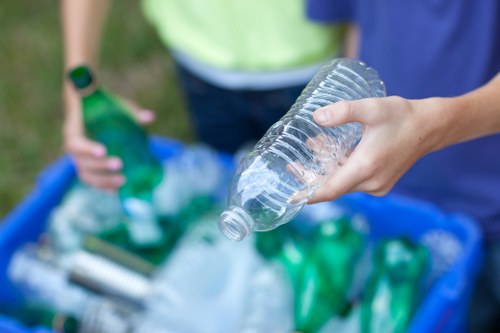
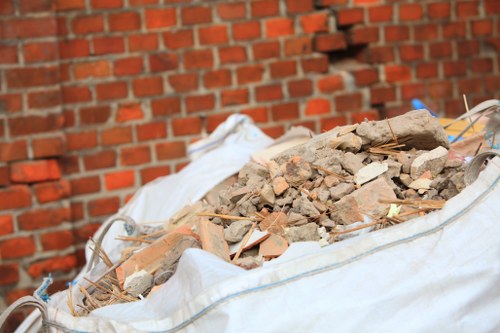 Commercial recycling in Chalfont Saint Giles follows best-practice separation: glass and bottle banks, segregated paper and card, dry mixed recycling for plastics and metals, and dedicated food waste collections where feasible. The local boroughs emphasise source separation and clear labeling so that commercial premises can place material into the right stream, improving recycling yields and reducing contamination rates.
We support businesses through practical measures: tailored bin sizes, lockable commercial bins for secure storage, scheduled pickups for high-generation sites and contamination monitoring. By aligning with local authority schemes and private transfer facilities, commercial operators can achieve higher diversion rates while keeping operational disruption minimal.
Local transfer stations play a pivotal role in turning a commercial waste stream into recyclable outputs. We partner with nearby transfer stations and consolidation hubs that offer sorting, baling and onward transport to reprocessors, ensuring that mixed commercial loads are carefully separated and forwarded to appropriate recycling markets.
Typical transfer station services we use include:
- Temporary storage and consolidation to reduce long-haul movements.
- Pre-sorting to remove bulky rejects and separate recyclable fractions.
- Logistics for onward delivery to recover plants and material reprocessors in the wider region.
Targets, monitoring and transparency are central to our sustainable rubbish area programme. We collect tonnage data for each waste stream, track contamination rates and report progress against our recycling percentage target. These performance metrics are shared internally to guide route planning and externally with partner organisations where appropriate to demonstrate continuous improvement.
Recycling percentage target: 65% by 2030 for commercial materials, with interim reporting to show movement towards the goal. Achieving this requires collaboration across businesses, contractors and local reprocessors.
To meet these goals we invest in staff training, customer onboarding for waste separation and routine audits. Businesses in Chalfont Saint Giles can expect practical remediation plans if contamination is identified, and recommendations for altering bin mixes to capture more recyclables.
 Our fleet transition supports the low-carbon ambitions for the district: we operate a mix of electric and hybrid low-emission vans and are actively expanding EV charging infrastructure at our depots. These low-carbon vans reduce air pollution in town centres and are paired with route optimisation software to minimize miles and idle times, delivering a lower-carbon logistics chain for commercial waste collections.
Beyond vans, we trial cargo bikes and small electric utility vehicles for pedestrianised or narrow streets. These last-mile solutions reduce noise, congestion and emissions while maintaining reliable collections for small and medium enterprises. Fleet electrification is a practical way to achieve sustainability without compromising service levels.
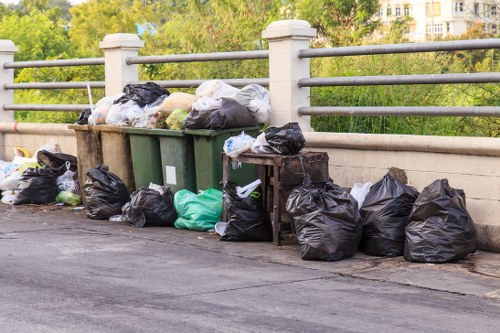 Our charity partnerships are central to preventing usable goods from entering the waste stream. We work with national and local organisations — furniture reuse charities, clothing and appliance collectors and food redistribution groups — to create reuse loops where commercial donations are collected, refurbished and redistributed to the community instead of being disposed.
Working with charities like those specialising in furniture reuse and community reuse projects increases the social value of commercial recycling activity in Chalfont Saint Giles. Items recovered through business clearances, office refurbishments and hospitality turnovers are assessed and routed to partners where they can be given a second life.
These partnerships also support circular economy principles: reuse extends product lifetimes, reduces the need for new production and cuts embodied carbon. Where reuse is not possible, we prioritise material recovery through local reprocessors and remanufacturers to keep value in the system.
In summary, our approach to Commercial Waste Chalfont Saint Giles blends pragmatic on-site controls, collaboration with local transfer stations, charity reuse partnerships and a greener vehicle fleet to deliver a measurable, long-term sustainable rubbish area for businesses and the wider community. We continue to refine routes, increase recycling rates and reduce carbon emissions, ensuring a resilient, resource-efficient future for commercial waste in the town.
