Rubbish removal guide for Chalford Hill GL6
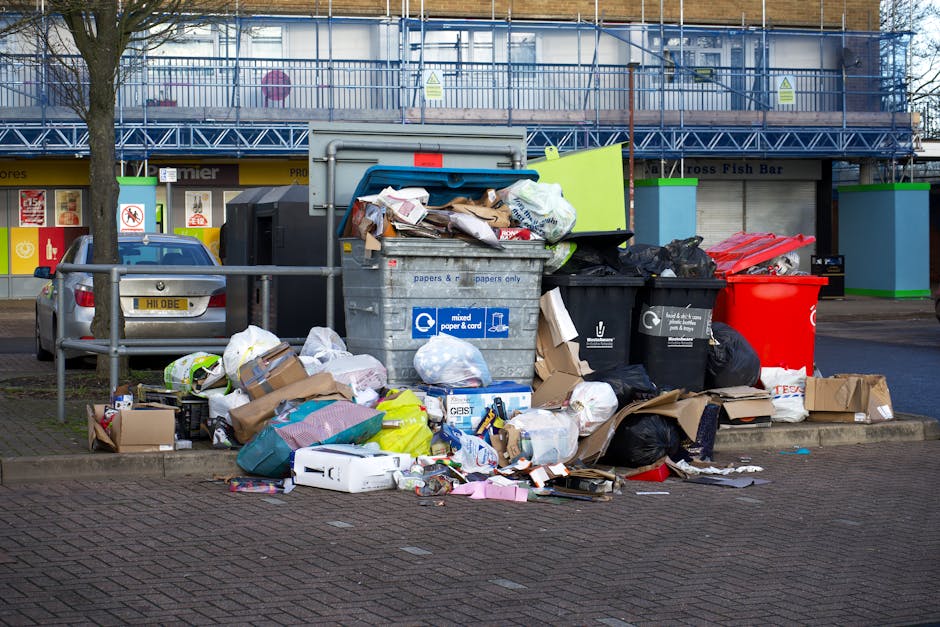
If you are looking for a practical Rubbish removal guide for Chalford Hill GL6, you are probably trying to solve a real-life mess rather than just browse for ideas. Maybe it is a brimming garage, a garden pile that has quietly taken over the path, or a clearance job that suddenly feels bigger than you expected. Whatever the situation, the good news is that rubbish removal does not have to be stressful, slow, or chaotic. With the right approach, you can clear space safely, keep costs sensible, and avoid the usual mistakes that turn a simple job into a long weekend headache.
This guide explains how rubbish removal typically works in Chalford Hill, what to check before booking anything, when specialist services make more sense, and how to stay on the right side of UK waste-handling best practice. It is written for homeowners, landlords, tenants, tradespeople, and local businesses who want a clean, straightforward plan. Let's get into it.
Why rubbish removal matters in Chalford Hill GL6
Chalford Hill has the kind of homes, lanes, gardens, and mixed-use spaces where rubbish can build up in awkward ways. A few broken items in the shed, some old furniture in a spare room, or renovation debris from a small project can quickly eat into usable space. And once clutter starts spreading, it affects more than appearance. You start tripping over things, losing storage, delaying decorating, or avoiding rooms entirely. Truth be told, that gets old fast.
Rubbish removal matters because it restores order without dragging the job out longer than necessary. It also matters because waste needs handling properly. In the UK, household rubbish, trade waste, electrical items, bulky items, and potentially hazardous materials all have different expectations around sorting, transport, and disposal. That means the smartest route is not always the quickest-looking one. The smartest route is the one that is safe, traceable, and suitable for the type of waste you have.
For local residents, there is another practical angle. Rural and semi-rural locations can make large clearances harder to manage with a car boot or repeated small trips. Narrow access, steep drives, and limited parking can turn a "quick tidy" into a frustrating puzzle. A planned rubbish removal service or a well-organised self-clearance approach saves time and a lot of back-and-forth.
Expert summary: If the waste is mixed, bulky, heavy, or time-sensitive, plan the job before moving anything. That one habit often saves both money and hassle.
How rubbish removal works
Most rubbish removal jobs follow a simple pattern: assess, sort, quote, remove, and dispose. The details vary depending on the volume and type of waste, but the flow is usually the same. A sensible provider or homeowner will first work out what is being removed. That means identifying bulky items, loose rubbish, reusable materials, and anything that needs special handling.
For example, a garage clearance may contain timber offcuts, broken storage boxes, paint tins, old toys, and a fridge that no one has used in years. That is not one neat category. It is several. A proper plan helps separate these items so they do not all end up treated the same way.
From there, the removal method is chosen. Some jobs suit a skip, especially if the waste will be generated over a few days and the space is available. Other jobs are better handled by a clearance team that loads the waste for you, especially when the items are heavy, awkward, or scattered around a property. If you are unsure what can go in a skip, the page on what can go in a skip is a useful place to start.
In practical terms, the process is much smoother when access is checked in advance. Think about the route from the property to the vehicle: stairs, steps, gravel, low branches, tight corners, or a driveway that disappears under a parked car at school-run time. These small details matter more than people expect.
Key benefits and practical advantages
A well-handled rubbish removal job offers more than just a tidier space. It can improve how a home, flat, office, or trade site functions day to day. That sounds obvious, but you notice it straight away once the clutter is gone. Rooms breathe again. Doors open properly. You stop mentally walking around a pile that has annoyed you for months.
- Faster use of space: Rooms, garages, lofts, and gardens become usable again.
- Less physical strain: Heavy lifting and repeated trips are reduced.
- Cleaner finish: Professional removal tends to leave a more complete result than piecemeal clearing.
- Better sorting: Recyclable items, reusable furniture, and special waste can be separated more sensibly.
- Lower stress: One scheduled clearance beats weeks of half-finished tidying.
- Improved safety: Fewer trip hazards, fewer sharp edges, and less chance of damage while moving items around.
There is also a decision-making benefit. When the clutter is removed, you can finally see what you actually have. That helps with renovation planning, moving house, letting a property, or simply deciding what is worth keeping. Quite a lot of people only realise how much space they had once the rubbish is gone. Funny how that works.
Who this is for and when it makes sense
This guide is useful if you are dealing with any of the following: end-of-tenancy clutter, a home declutter, garden waste, builders' debris, office clearance, garage rubbish, or a full property emptying. It also helps if you are managing a relative's property, preparing a flat for sale, or clearing space after a small building project.
It makes sense to arrange rubbish removal when the job is too large, too heavy, or too time-sensitive to handle in a few car trips. It also makes sense when the waste includes mixed items, such as old furniture, white goods, broken fixtures, and general junk. If the pile is mostly one material and the access is simple, you may be able to manage it yourself. If not, outsourcing can be the calmer option.
Business owners in Chalford Hill may need rubbish removal for offices, workshops, stockrooms, or retail spaces. In those cases, speed and discretion matter. A cluttered workspace affects staff morale and can make a small unit feel even smaller. For business-related clearance, a dedicated business waste removal service is often the better fit than trying to manage everything in-house.
And if the clear-out is tied to a larger home project, you may also need support with builders waste clearance, house clearance, or home clearance. Each route suits a different kind of mess, so matching the service to the job really matters.
Step-by-step guidance
Here is a simple, practical way to approach rubbish removal without overcomplicating it.
- Walk the property first. Look at every area that needs clearing. Don't just glance at the obvious pile in the corner. Check cupboards, loft spaces, under stairs, sheds, and outdoor corners.
- Separate the waste into groups. Put furniture, garden waste, general junk, electricals, and any suspected hazardous materials into separate categories.
- Decide what can be reused or donated. A chair with one loose leg is not always waste. Sometimes it is repairable. Sometimes it isn't. Be realistic.
- Measure bulky items. Fridges, wardrobes, mattresses, and sofas often need special handling. If an item is oversized, note it early.
- Check access. Make sure there is space for loading or for a skip, if that is the route you choose.
- Request a clear quote. Ask what is included, what might change the price, and whether loading, labour, or disposal is part of the service.
- Confirm sorting and disposal expectations. Good providers will explain how they manage recycling and any special waste streams.
- Prepare the area. Move fragile items, clear a path, and keep children and pets away from the work zone.
- Supervise the final check. Before the team leaves or before you seal the skip, do one final sweep for missed items.
If you are clearing a room in stages, try working from the back of the space to the front. It sounds basic, and it is, but basic often works best. No heroic methods needed.
A quick scenario
Say you have a garage in Chalford Hill that has become a catch-all for old paint pots, a broken bicycle, a sagging sofa, and some garden rubbish from last winter. The fastest route is usually not to drag everything into the driveway and panic. First, separate the appliance, the furniture, and the loose mixed waste. Then decide whether you need a specialist uplift for items like a fridge or whether a broader clearance will handle the lot. That one pause can save a second booking.
Expert tips for better results
One of the best things you can do is plan around the heaviest item, not the easiest. If you can move the small bags but the wardrobe or washing machine is a two-person job, the heavy item dictates the whole process. Start there.
Another good habit is to keep recyclable materials as clean as possible. Cardboard flattened, metal grouped together, and reusable wood separated from damp, rotten timber can make a clearance more efficient. It is not just tidier; it can also improve the way items are sorted later.
If you are clearing furniture, check whether specialist pages like furniture clearance or furniture disposal are more relevant than a general rubbish job. The same idea applies to awkward household items. A mattress, for instance, may be better handled through mattress and sofa disposal if that is the main issue.
For kitchens, utility rooms, and renovation work, appliances can become the awkward bit nobody wants to deal with. If that sounds familiar, the fridge and appliance removal service is worth looking at. One stubborn appliance can hold up an entire room. It is never the glamorous part of the job, but there it is.
Finally, keep a little space for the unexpected. You will often find odd extras during a clear-out: batteries in a drawer, a box of mixed cables, or a rusty tool buried behind something larger. Not dramatic, just normal. But normal clutter adds up.
Common mistakes to avoid
The biggest mistake is underestimating volume. A pile that looks manageable from the doorway often doubles once you start moving it. That is especially true with broken furniture, garden waste, and loose bags that have been compressed into one corner for months.
A second mistake is ignoring special waste. Not everything should be mixed together. Paint, chemicals, oily rags, electricals, and some appliances require more care. If something seems doubtful, treat it with caution rather than hope. Better safe than sorry, as they say.
Another common issue is not checking access. A narrow lane, a steep path, or limited parking can affect how a clearance is planned. If you leave it too late, you may end up with delays or extra work on the day. That is the kind of thing that makes people sigh at the window for no reason at all.
People also forget to ask about included services. Does the price cover lifting from upstairs? Does it include loading from a shed or cellar? Is there a difference between one bulky item and several smaller loads? These details are not glamorous, but they matter.
And finally, do not assume every item can be tossed into one stream. That is how good intentions become messy outcomes. A bit of sorting upfront keeps the whole job cleaner.
Tools, resources and recommendations
You do not need fancy equipment for a well-run clearance, but a few basic tools help:
- heavy-duty bin bags for loose rubbish
- work gloves with decent grip
- sturdy dust sheets or tarpaulins
- a torch for lofts, sheds, and dark corners
- labels or marker pens for sorting
- a measuring tape for bulky items
- basic cleaning supplies for the final sweep
If you want to avoid wasting time on unsuitable methods, look at the service pages that match the type of waste rather than guessing. For instance, garden clearance is more suitable for hedge cuttings, soil, branches, and outdoor debris, while garage clearance suits mixed household clutter, tools, boxes, and old household items.
For larger domestic projects, the broader waste removal page may be the simplest starting point. If the job is a full property emptying, flat clearance, house clearance, or loft clearance may fit better. It depends on where the waste is and how much lifting is involved.
For details on service standards and company background, a quick read of the about us page can help you understand how the business presents itself. If you want to check practical booking information, book online is the obvious next step.
Law, compliance, standards, or best practice
Waste handling in the UK is not something to be casual about. You do not need to become a legal expert, but you do need to use common-sense best practice. That means knowing what you are throwing away, avoiding fly-tipping, and making sure waste is transferred to a legitimate and appropriate destination. If a provider seems vague about where waste goes, that is a red flag.
For householders, the main principle is simple: separate waste responsibly and do not pass on items to someone who cannot clearly explain how they handle it. For businesses, the expectations are generally stricter because commercial waste carries added responsibilities around storage, transfer, and record-keeping. If your job involves office files or confidential materials, confidential shredding is a relevant specialist option.
Hazardous or potentially hazardous items should never be handled casually. Paints, solvents, cleaning chemicals, certain electrical components, and contaminated materials may need specialist disposal arrangements. The page on hazardous waste disposal exists for a reason: some materials need extra caution, and that caution is not optional.
Good providers will also be clear about health and safety, insurance and safety, and recycling and sustainability. Those pages are not just formalities. They show how a company approaches risk, care, and responsible disposal.
Options, methods, or comparison table
There is no single best method for every rubbish removal job in Chalford Hill. The right choice depends on access, urgency, waste type, and how much physical lifting you want to do yourself. Here is a simple comparison.
| Method | Best for | Advantages | Limitations |
|---|---|---|---|
| DIY trips to a disposal point | Very small amounts of general waste | Flexible, low upfront cost | Time-consuming, labour-heavy, may not suit bulky items |
| Skip hire | Projects with a steady stream of waste | Handy for ongoing work, simple drop-and-fill process | Needs space, access, and correct sorting |
| Man-and-van style clearance | Bulky, mixed, or awkward waste | Loading is handled for you, quicker finish | Can cost more if the job is larger than expected |
| Specialist item removal | Appliances, mattresses, sofas, or hazardous items | Better suited to tricky items | May need separate arrangements for mixed waste |
As a rule of thumb, choose the method that best matches the mess. People often pick the cheapest-looking option first and then discover it does not actually fit the job. That is a very human mistake. Happens all the time.
Case study or real-world example
A homeowner in Chalford Hill preparing for a room refurbishment had a mix of old shelves, broken flat-pack units, a mattress, a tired armchair, and a couple of bags of general junk from the loft. At first, they planned to do it in stages over several weekends. A sensible thought, maybe, but once the furniture was dragged into the hallway, the house felt smaller and the job felt bigger.
Instead of continuing piecemeal, they sorted the items into three groups: furniture, bedding, and mixed waste. That immediately clarified what could go together and what needed separate handling. The mattress and armchair were treated as specialist items, while the rest went into the general clearance plan. Access through the side gate was checked before the booking, which saved awkward manoeuvring on the day.
The result was not just a tidier room. It was a calmer week. The family could start decorating without hopping around old clutter, and the loft stairs were no longer blocked by a mysterious pile of "things to sort later." You know the sort. Later never arrives on its own.
That kind of job is a good example of why rubbish removal works best when you decide early what kind of waste you actually have. Once that part is clear, the rest gets much easier.
Practical checklist
Use this checklist before you arrange rubbish removal in Chalford Hill GL6.
- Identify the main type of waste: general, bulky, garden, building, electrical, or hazardous.
- Estimate the number of bags, items, or cubic space the waste will take.
- Check whether anything can be reused, donated, or repaired.
- Separate special items such as fridges, mattresses, sofas, and confidential paperwork.
- Measure large furniture and appliances before booking.
- Confirm access routes, parking, stairs, and any awkward corners.
- Make sure fragile items are protected before clearing begins.
- Ask what the service includes and whether labour is part of the price.
- Review disposal, recycling, and safety information before agreeing.
- Keep pets, children, and bystanders away from the work area.
- Do a final sweep for missed drawers, cables, screws, or small valuables.
A small amount of preparation usually saves a surprising amount of time. That is the bit people don't always see until afterward.
Conclusion
Rubbish removal in Chalford Hill GL6 is really about making a space usable again without creating extra problems for yourself. Whether you are clearing a garage, refreshing a garden, handling post-renovation debris, or sorting a full home, the best results come from matching the removal method to the waste, checking access early, and handling special items with care.
If you remember only one thing, let it be this: sort first, move second. That simple order makes the whole job safer, cleaner, and less expensive in practice. It also gives you a better sense of control, which is often half the battle.
Get a free quote today and see how much you can save.
And if you are still weighing up the best route, take your time. A good clearance decision is one that leaves you lighter, not more tangled up than before. Sometimes the smallest clear-out ends up feeling like a fresh start.
Frequently Asked Questions
What is the easiest way to arrange rubbish removal in Chalford Hill GL6?
The easiest option is usually to identify the type of waste first, then choose a service that matches it. Mixed bulky waste often suits a clearance team, while staged renovation waste may suit a skip.
Can I mix garden waste with household rubbish?
You can sometimes do that in practice, but it is usually better to separate them. Garden waste and household junk are often handled differently, and sorting them early can simplify disposal and improve recycling.
What happens to bulky furniture during a clearance?
Bulky items are normally assessed for reuse, recycling, or disposal. Sofas, wardrobes, tables, and chairs may need specialist handling depending on condition, size, and access.
Do I need a specialist service for a fridge or washing machine?
Often, yes. Appliances can be awkward and may contain components that need careful handling. A dedicated appliance removal service is usually the safest choice.
How do I know if I need house clearance rather than general rubbish removal?
If you are clearing multiple rooms, a full property, or a large volume of mixed items, house clearance is usually more suitable. General rubbish removal is better for smaller, less complex jobs.
Is skip hire always cheaper than using a clearance service?
Not always. A skip can be cost-effective for certain projects, but once you factor in access, loading effort, time, and what can go in the skip, a clearance service may be better value for some jobs.
What should I do with items that might be hazardous?
Keep them separate and treat them cautiously. Paints, solvents, chemicals, and similar items should not be mixed into general rubbish without checking the correct disposal route.
Can a rubbish removal service help with office waste?
Yes. Office clearances often include furniture, archive boxes, packaging, and general waste. If documents are involved, confidential shredding may also be relevant.
What if I only have a small amount of waste?
For a small amount, DIY disposal may be enough if access and transport are simple. But if the item is bulky, heavy, or awkward, a professional uplift can still save time and strain.
How can I make the job cheaper?
Sort the waste before collection, remove anything reusable, and make access as easy as possible. Clear paths and good categorisation often reduce wasted time, which helps keep the job efficient.
Do rubbish removal teams handle lofts, garages, and sheds?
Yes, these are common clearance areas. Loft clearance, garage clearance, and home clearance are often used when clutter has built up in hidden or awkward places.
What should I check before booking?
Check what type of waste you have, how much access there is, whether any items need special handling, and what is included in the price. A few minutes of checking can prevent a lot of confusion later.
For company details, service information, and policies, you may also find the pages on pricing and quotes, payment and security, complaints procedure, and contact us helpful when you are ready to take the next step.